
Declining & Evolving Consumer Trends — What’s Fading, What’s Rising in 2026

Introduction
Consumer trends in food and beverage are rarely static. Some movements explode onto the scene and fade just as quickly, while others morph and blend into new behaviors. As we head into 2026, signals point to a recalibration of several dietary and product trends — with some well-known narratives losing steam and others emerging or evolving. This blog explores key patterns that industry professionals should understand as they plan portfolios, experiences, and real innovation for the year ahead.
Trend Deceleration: What’s Losing Buzz
Several previously dominant trends appear to be fading in relevance or consumer enthusiasm:
Matcha’s Moment Leveling Off
Matcha has enjoyed years of cultural saturation, becoming a staple in cafés, bottled beverages, desserts, and even skincare. However, market intelligence suggests its rapid buzz may be peaking: due to supply chain pressure and quality dilution, analysts predict matcha’s cultural and commercial prominence will wane in 2026. FoodNavigator.com
Keto & Low-Carb Diets
Interest in highly restrictive diets like keto and ultra-low-carb approaches appears to be declining as well. After several years of dominance, some market research indicates consumer attention is shifting toward more balanced patterns focused on sustainability and long-term adherence, rather than extreme carbohydrate restriction. FoodNavigator.com
Emerging & Evolving Trends
While some trends fade, others are gaining traction — or transforming in subtle but meaningful ways.
From High Restriction to Moderate, Sustainable Eating
Consumers increasingly reject rigid diet dogma. Instead, moderate, approachable patterns that emphasize balance and sustainability — such as flexitarian or Mediterranean-style eating — are gaining favor. This shift mirrors broader cultural values around longevity and lifestyle rather than quick fixes.
Experience-Driven Consumption
Post-pandemic behaviors continue to elevate experiential eating and drinking in both foodservice and retail. Customers seek not just a product but an experience — whether it’s an interactive tasting, a chef-curated meal kit, or a beverage ritual that feels premium and personalized. This reflects a broader cultural shift where flavor, story, and ritual matter as much as nutrition facts.
Functional Beverages & Calm/Focus Drinks
Beverages that go beyond hydration to address mood, focus, sleep, or gut health are expanding rapidly. Emerging categories include adaptogen infusions, nootropics, calming herbal blends, and drinks geared toward stress support — particularly among adult consumers seeking functional utility without high sugar. These offerings are linking wellness trends with everyday routines in ways that go beyond traditional juice or soda formats.
Sustainable & Transparent Sourcing
Traceability — not just on packaging but in storytelling — is increasingly a differentiator. Consumers want to understand where ingredients come from, how farmers and workers are treated, and how products contribute to or mitigate environmental impact. Transparency demands are reshaping product labels, digital experiences, and brand reputation strategies.
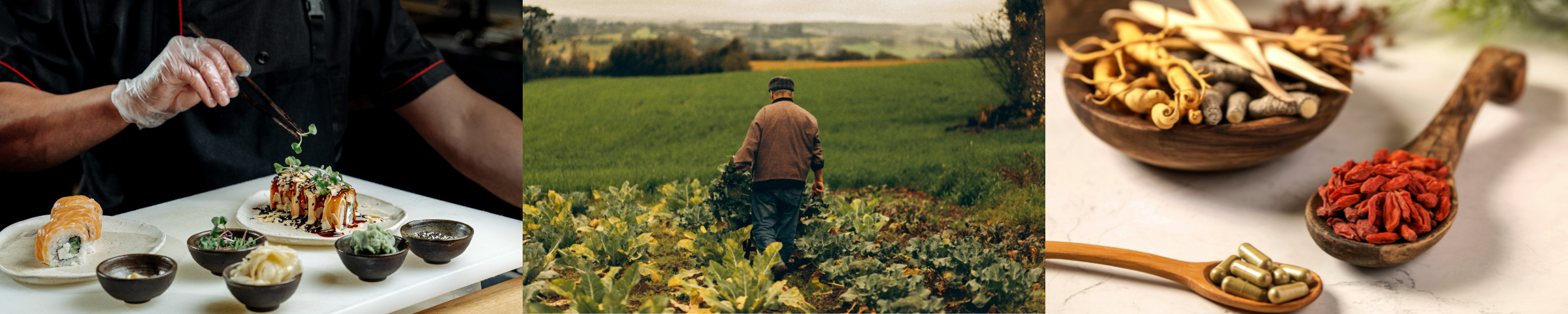
The Bigger Picture: Consumer Values Shifting Toward Holistic Wellness
Three broader forces help explain why some trends decline while others rise:
Contextual Eating: With rising macroeconomic pressures and more health awareness, consumers balance cost with value in a different way — seeking nutrition that fits lifestyle, health, and budget. Expert Market
Wellness Integration: Nutrition is being viewed holistically, not simply in macronutrient terms. Mental health, stress, and daily function are becoming integrated into how people think about food and beverage choices.
Experience & Ritual: As eating out and social rituals resurge, trends that lack meaningful cultural or experiential depth are losing gravitational pull.
Conclusion
In a world increasingly defined by nuance and intersectionality, food and beverage consumer trends cannot be viewed through a single lens. As we head into 2026, the fading of once-dominant narratives like matcha hype and ultra-low-carb diets highlights a broader recalibration — one that privileges balance, sustainability, experience, and holistic wellness. For brands and operators, understanding which trends are losing steam and which are rising is essential to staying ahead of both consumer expectations and competitive disruption.
If you’re looking to refine your product strategy in alignment with evolving consumer trends — or want help interpreting what’s next — Culinary Culture can partner with you to translate insights into innovation that resonates with consumers and markets alike.