
Protein's Midlife Crisis: What Comes After a Decade of More Grams
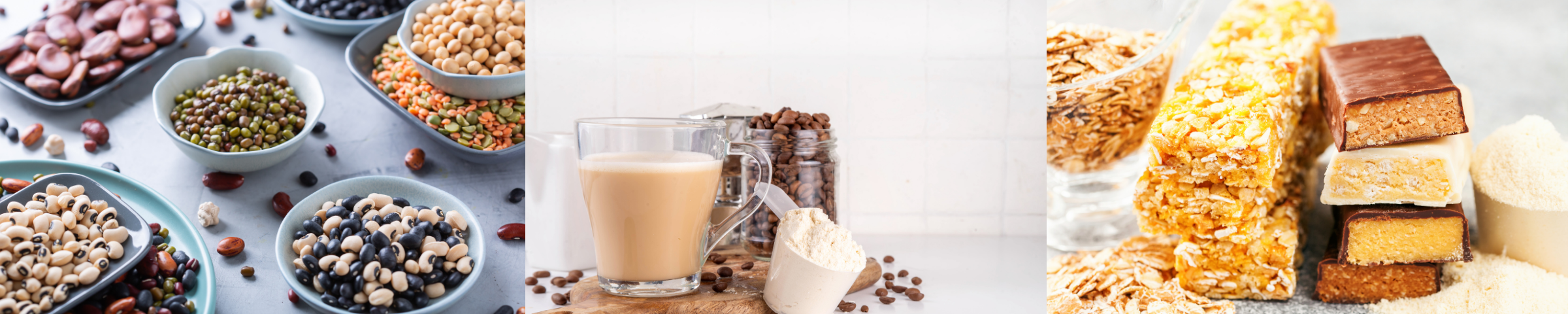
Walk the floor of any major food trade show in 2026 and you can't miss it: protein has colonized every category. Protein Pop-Tarts. Protein Doritos. Protein iced coffee. Protein yogurt that already had protein in it. Protein bagels, protein cookies, protein sparkling water. The macronutrient that spent decades confined to gym bags and supplement aisles has expanded into virtually every food format a brand could imagine — and a few that probably didn't need it.
The question worth asking, right now, is whether that expansion is a sign of a trend at full maturity or a trend beginning to crack under its own weight. The data and the culture are giving different signals simultaneously — and how brands read that tension will determine who leads the next phase of nutrition innovation and who ends up as a cautionary tale about peak-trend overextension.
"Protein has become the fastest decision shortcut in American grocery shopping. But ubiquity carries risk. We're beginning to see signs of protein fatigue — not because consumers no longer value protein, but because they are questioning how it shows up." — Food Dive, March 2026
The Decade That Built the Protein Category
The rise of protein as a consumer priority has been one of the most durable macro-trends in food and beverage over the past ten years. It started in sports nutrition and migrated through Greek yogurt into snacking, then into mainstream CPG in a wave that accelerated sharply around 2022. The drivers were real: dietary science consistently validated protein's role in satiety, muscle preservation, and weight management; GLP-1 adoption added a pharmacological tailwind; and the 2025–2030 Dietary Guidelines for Americans explicitly recommended prioritizing protein at every meal while calling for reductions in refined carbohydrates.
Fonterra's retail channel data shows continued US retail growth of 6.8 percent in protein bars, 7.2 percent in sports powders, and 7.4 percent in ready-to-drink protein beverages through mid-2026. PepsiCo CEO Ramon Laguarta, on a recent earnings call, went so far as to suggest that fiber could be 'the next protein' — an extraordinary statement that tells you two things at once: protein is the established benchmark against which the next big nutrition trend will be measured, and the industry is already thinking past it.
What Protein Fatigue Actually Looks Like
Protein fatigue is not a consumer rejection of protein. Consumers still want it. The numbers still support it. But what's emerging — in social media commentary, in category reviews, in formulation feedback — is a more specific dissatisfaction with how the macronutrient has been delivered.
The Engineering Problem
Delivering meaningful protein levels while maintaining clean flavor, clarity, and stability is, according to Symrise's 2026 protein market analysis, one of the most technically demanding formulation challenges in the category. Tolerance for off-notes, chalky textures, and artificial aftertastes remains low even as consumers expand their openness to new protein formats. The products that maximize grams per serving at the expense of sensory experience are the ones generating the most negative feedback — and the most social media mockery. Sweetgreen ran a campaign this past year that gently skewered protein overload, and the resonance was immediate.
The Category Fatigue Problem
When protein shows up in every product across every aisle, it stops being a differentiator and starts being a commodity claim. A protein bar that contains 20 grams of protein is not a remarkable product in 2026 — it's a crowded category. The brands that built protein platforms early benefited from novelty and white space. The brands entering now are fighting for attention in a category where every headline claim sounds the same.
The Ingredient Quality Problem
Consumers are asking increasingly sophisticated questions about where their protein comes from. Not just animal versus plant — but which animal, which plant, how processed, what amino acid profile, and how digestible. The Protein Digestibility Corrected Amino Acid Score (PDCAAS) and the Digestible Indispensable Amino Acid Score (DIAAS) are no longer just regulatory tools — they're becoming consumer-facing conversation points, especially among the fitness and wellness communities that drive early adoption across nutrition categories. A product that leads with grams but can't answer questions about quality is increasingly exposed.

The Next Phase: Better Protein Experiences
If more grams was the first wave of the protein era, better experiences is the second. The formulation and positioning questions shift meaningfully in this frame.
Blended Proteins for Complete Profiles
Vitafoods Europe 2026 positioned blended proteins as the default answer to the amino acid completeness problem in plant-based applications — not a niche tactic, but a structural formulation approach. Combining pea, rice, hemp, and other sources to achieve complementary amino acid profiles is now standard practice in premium protein products, and that approach is migrating from specialty nutrition into mainstream CPG. The consumer signal driving this is not amino acid science per se, but a broader interest in 'real' or 'complete' protein that communicates genuine nutritional value rather than just gram count.
Digestibility as a Differentiator
Digestive comfort is emerging as a meaningful positioning axis in protein-forward products, particularly given the parallel growth of GLP-1 use and gut health awareness. Protein formats that are easy on the digestive system — fermented proteins, hydrolyzed sources, formats without the bloating or gastric discomfort associated with high-dose whey in sensitive consumers — represent a formulation opportunity that most protein products have not yet addressed directly in their consumer communication.
Flavor and Format as Competitive Advantages
The brands gaining ground in the current protein environment are not the ones with the highest gram counts — they're the ones whose products you actually want to eat. Culinary craft is, counterintuitively, becoming a competitive moat in a category associated with engineering. The protein coffee that tastes like a good coffee. The protein bar that eats like a real food. The protein chip that snacks like a chip. These are not small formulation wins. In a category where every product makes the same macro claim, taste is the deciding factor at repeat purchase — and repeat purchase is how a protein product becomes a protein habit.
The Fiber Parallel — and What It Tells You
The fiber conversation is worth watching closely as a signal of where protein has been and where it's going. Fiber's growth trajectory in 2026 mirrors protein's trajectory from several years earlier: driven by gut health awareness, GLP-1 adoption, the Whole Foods Trends Council prediction, and what Modern Retail called a shift from niche to mainstream as brands like Olipop, Poppi, and BelliWelli made fiber exciting to a younger consumer who previously associated it with products designed for older adults.
PepsiCo's CEO calling fiber 'the next protein' is a predictive statement, but it's also a strategic signal. The company that identified protein as a platform early and rode it to significant portfolio wins is now scanning for the next equivalent. Brands that are already thinking about fiber as a strategic asset — not just a label claim — are positioning ahead of a wave that is clearly building.
More instructively: the fiber trend, if it follows protein's trajectory, will benefit from the lessons protein has learned. The brands that build fiber into their products with genuine culinary intent — rather than just maximizing the gram equivalent of the claim — will be the ones with staying power. The trend cycle is compressing. There is less time to iterate from 'technically works' to 'actually good.'
What This Means for Operators and Developers
For foodservice operators, the protein era has produced a generation of guests who read nutrition panels, ask about protein content, and expect every menu segment to have a credible high-protein option. That expectation is not going away — but it's evolving. The high-protein option that wins the next three years is the one that also tastes exceptional, uses ingredients guests can place and trust, and fits into an eating pattern that feels sustainable rather than aspirational.
For CPG developers, the strategic imperative is to audit your protein positioning for durability. Does your product differentiate on grams, on source quality, on digestibility, on taste, or on some combination? Which of those differentiators is still creating genuine distance from the competitive set? And where does fiber, or another nutrient, fit into your pipeline for the next innovation cycle?
Protein is not going away. But its role as the default differentiator in nutrition-forward product development is under pressure from saturation, quality expectations, and the emergence of the next macro-nutrient narrative. The brands that navigate this well are the ones that understood protein deeply enough to know what comes after more.
Conclusion
The protein era has produced remarkable product innovation, genuine consumer behavior change, and a generation of food and beverage companies that are better at formulating for nutritional function than they were a decade ago. The next phase rewards that sophistication — not by abandoning protein, but by asking harder questions about what makes a protein-forward product worth choosing over everything else on the shelf. Quality, digestibility, culinary execution, and a clear answer to 'why this and not that' are the differentiators that matter now. More grams is not one of them.
Ready to Evolve Your Protein Story?
Protein formulation is a technical challenge and a culinary one. Culinary Culture's team of Certified Research Chefs and food scientists can help you audit your current protein positioning, identify formulation white space, and build product concepts that compete on taste and quality — not just label claims. If you're planning your next nutrition innovation cycle, let's have that conversation now.