
Regenerative Food Systems: Making a Market Impact
What Are Regenerative Food Systems?
Regenerative food systems aim to restore ecosystem health by improving soil vitality, enhancing biodiversity, and ensuring fair treatment of animals and farmworkers. Two leading frameworks— Regenified’s Certified Regenified and the Regenerative Organic Certified® (ROC) program—provide rigorous standards to guide and verify these practices. Certified Regenified is the first regenerative seal accepted on USDA‑inspected products, focusing on measurable land‑health outcomes. ROC builds on USDA Organic requirements by adding soil health, animal welfare, and farmworker fairness to create a holistic certification model.
Why Regenerative Certifications Matter
-Environmental resilience: Sequester carbon in soil, reduce erosion, and improve water retention.
-Social equity: ROC’s fair‑trade principles ensure farmers and workers receive fair wages and safe conditions.
-Market differentiation: Certifications offer traceability and credibility, helping brands stand out in crowded markets.
Current Landscape
-Certified Acres & Products: ROC has certified over 19 million acres, 548 crop types, and 278 products across 242 brands.
-Retail & Foodservice Partnerships: As regenerative ingredients enter mainstream supply chains, restaurants and CPG companies are integrating verified ingredients—see the work of companies like Sodexo and Compass Group.
Business & Consumer Benefits
1. Premium Pricing & Margin Expansion
- Consumers are willing to spend an average of 9.7% more on sustainably produced or sourced goods—even amid inflationary pressures.
- Regenerative products command higher margins, helping brands capture premium pricing while enhancing profitability.
2. Sales Growth & Market Share
- Regenerative Organic‑certified products have seen significant sales growth*, outpacing many conventional organic lines as consumer trust and awareness rise.
- Early adopters often experience faster year‑over‑year growth, demonstrating that regenerative credentials can drive real market expansion.
3. Consumer Trust & Loyalty
- Third‑party certifications influence purchase decisions: 63% of U.S. households consider organic and related certifications important when choosing products.
- Values‑based shoppers—nearly 56% of “emerging regenerative” consumers—are willing to pay a premium for products that align with their environmental and social values.
4. Operational Resilience & Risk Mitigation
- Regenerative practices improve soil health and biodiversity, enhancing long‑term yield stability and reducing exposure to climate‑related risks.
- Brands that invest in these systems protect their supply chains and build stronger partnerships with growers, reducing volatility and securing future ingredient availability.
Case Study 1: King Arthur Baking Company
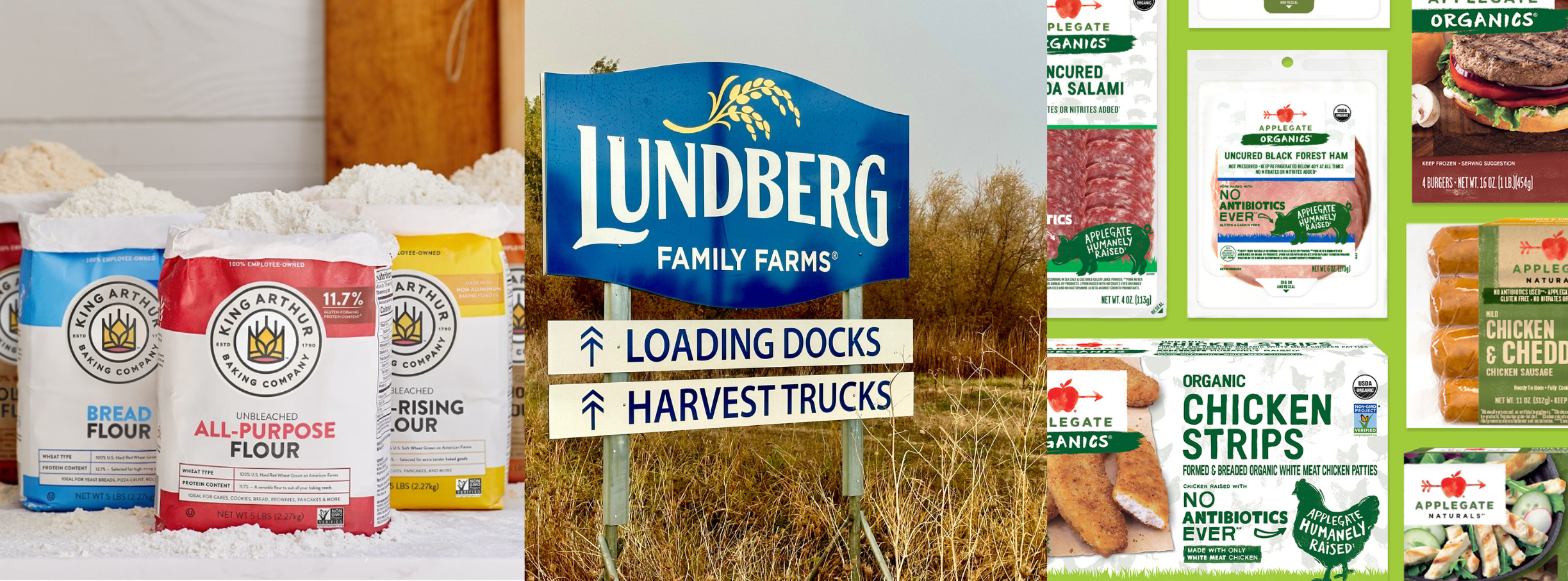
-Product Innovation: In November 2023, King Arthur launched “Regeneratively‑Grown Climate Blend Flour,” developed with Washington State University’s Breadlab. Its perennial wheat varieties require replanting only every 2–3 years, improving soil health and farm resilience.
-Strategic Goal: King Arthur has committed to sourcing 100% of its wheat from regenerative farms by 2030, underscoring its long‑term environmental and business vision.
Case Study 2: Lundberg Family Farms
-Certified Leadership: In March 2024, Lundberg became the first U.S. rice brand to achieve ROC® status, certifying over 8,500 acres of rice—quadrupling its acreage in one year.
-Product Expansion: They now offer 70+ ROC‑certified SKUs (rice varieties, cakes, seasoning mixes, convenience meals) with no price increases, making regenerative rice accessible to a broad consumer base.
Case Study 3: Applegate Farms LLC
-Ambitious Transition: By March 2025, Applegate had moved 10.8 million acres of grasslands to certified regenerative beef—80% above its initial target—and shifted all beef hot dogs to 100% ROC® beef, nine months early.
-Measurement & Accountability: Their Certified Regenerative program tracks key ecological outcomes—rotational grazing, soil health metrics, and biodiversity—to ensure transparent verification on partner ranches.
Why Go Regenerative?
Regenerative certifications like Certified Regenified and Regenerative Organic Certified® are not just eco‑labels—they’re powerful business drivers. By commanding price premiums, driving sales growth, and building consumer trust, these frameworks offer clear incentives for brands to adopt regenerative practices. King Arthur, Lundberg, and Applegate demonstrate that environmental stewardship and profitable growth go hand in hand.
At Culinary Culture, we help brands integrate regenerative principles into product strategies and supply chains—turning sustainability into a competitive advantage. Let’s work together to scale regenerative impact for your business and the planet.