
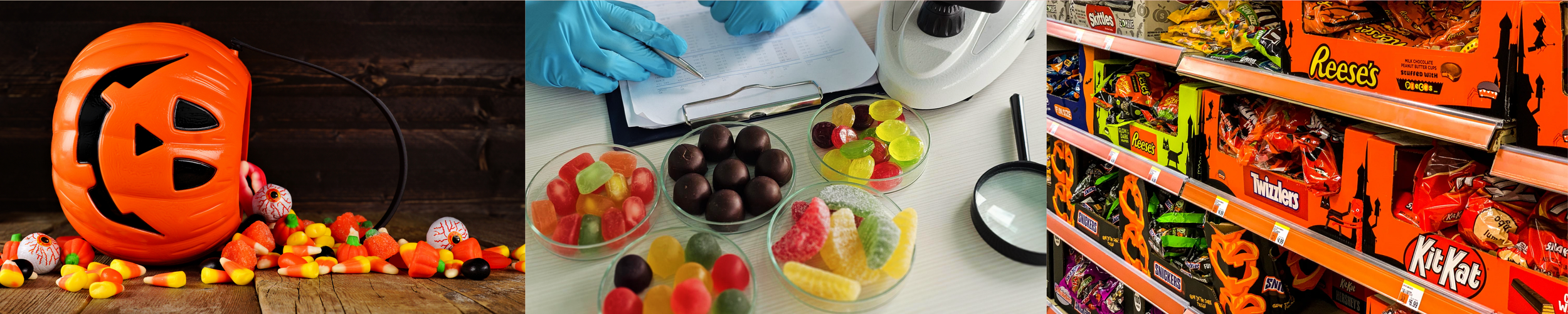
Halloween candy looks like the most conservative category in food and beverage. The best-selling items on any given October shelf were invented decades ago — some of them a full century ago — and the brands behind them have every incentive to leave well enough alone. And yet candy is one of the most quietly inventive categories in all of CPG. The innovation just doesn't look like innovation, because it isn't allowed to touch the thing that made the brand famous in the first place.
That's the real lesson in the Halloween aisle, and it applies well beyond candy: when a product has decades of earned trust built into its name, the smartest innovation strategy isn't reinvention. It's finding every legitimate way to surprise the consumer without ever asking them to question the original.
The Numbers Behind the Bag
Halloween has become one of the most reliable spending occasions on the retail calendar, and candy is consistently the single largest category within it — outpacing costumes and decorations combined in most years, according to the National Retail Federation's annual Halloween spending surveys. The National Confectioners Association's own consumer research adds an important nuance: the overwhelming majority of Halloween candy purchases go to a small set of legacy national brands. Shoppers aren't experimenting at Halloween the way they might browse a specialty snack aisle in July. They're buying what they trust, in bulk, under deadline pressure.
“At Halloween, the brand is the innovation. Consumers aren't looking for something new — they're looking for something familiar that still manages to surprise them.” — National Confectioners Association, State of Treating report
That consumer posture creates a genuinely interesting strategic constraint. The category can't win with disruption. It has to win with disciplined, almost surgical innovation around the edges of a product nobody wants fundamentally changed.
Why Nostalgia Is the Starting Point, Not the Ceiling
We've written before about “neostalgia” — Bell Flavors & Fragrances' term for nostalgia-driven products presented with a modern twist. Halloween candy is neostalgia's home turf. Reese's, M&M's, Skittles, Twix, and Kit Kat didn't earn their shelf space by staying static; they earned it by running a continuous stream of limited-time flavor and format extensions on top of an unchanged core product. Reese's has released dozens of shape and ratio variations without ever touching the peanut butter cup formula that made it famous. M&M's rotates seasonal colorways and flavor drops annually. Skittles has built an entire sub-brand around flavor mashups and texture experiments while the original fruit lineup stays untouched on shelf beside them.
The swicy trend we covered in our April blog on bold flavor has made its way into candy as well — Mike and Ike, Hot Tamales, and several chili-lime fruit snack lines have leaned into heat-forward extensions that would have been unthinkable in the category a decade ago. The base candy stays exactly as nostalgic as it always was. The extension is where all the risk — and all the news coverage — happens.
The Format Innovation Nobody Talks About
Flavor isn't the only lever. Some of the most commercially significant innovation in candy over the past several years has happened in format and texture, areas that get far less trend-press coverage than flavor does but arguably move more volume.
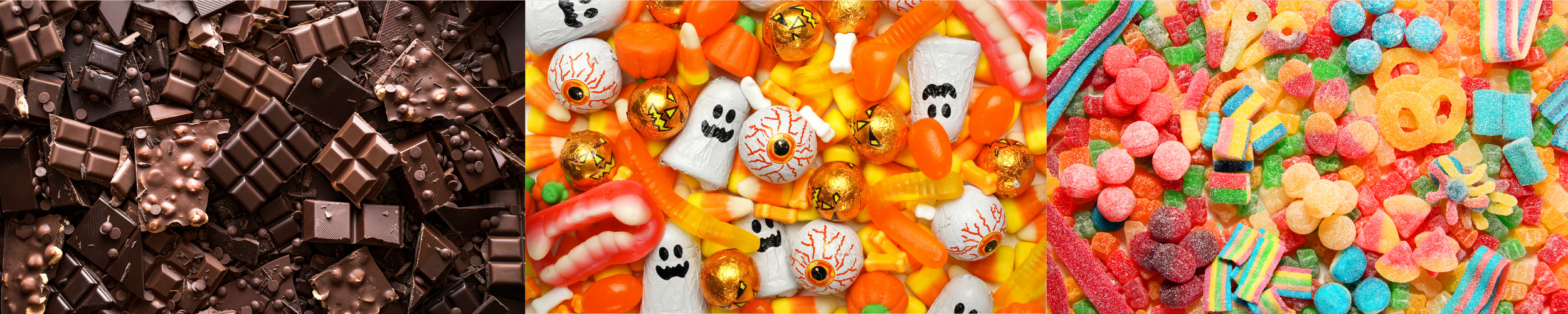
Stuffed and layered formats. Filled chocolate bars, stuffed cookie-candy hybrids, and multi-layer textures (a crunchy shell over a soft center, a gummy core inside a chocolate shell) let a brand introduce genuine sensory novelty without changing a single recognizable flavor note.
Sour and multi-textured gummies. The gummy candy aisle has quietly become one of the most texturally adventurous spaces in all of confectionery — sour sanding, dual-layer gummies, and chewy-to-gel transitions are all format plays that let a legacy gummy brand feel current without a flavor overhaul.
Share-size and fun-size re-engineering. Packaging and portion architecture is itself a form of product development. The individually wrapped miniature format that defines Halloween candy is a genuine engineering and cost challenge at scale, and brands that get the size-to-cost ratio right have a durable structural advantage at the register.
Clean-label pressure at the edges. As dye and additive scrutiny intensifies — a thread we picked up in our piece on the MAHA movement and shifting dietary guidelines — several major confectioners have begun reformulating colorants and some preservatives without changing flavor or texture. It's unglamorous work, but it's some of the most consequential R&D happening in the category right now, because it has to be invisible to succeed.
What It Takes to Innovate Without Breaking Trust
The discipline required here is counterintuitive for product developers trained to chase disruption. In candy, the biggest risk isn't playing it too safe — it's innovating in the wrong place. Touch the core formula and you risk a backlash that erases decades of equity. Innovate at the edges — in flavor extensions, formats, and limited-run exclusivity — and you get all the news coverage and trial-driving excitement with almost none of the risk.
The limited-time-only structure that defines seasonal candy is, in effect, a built-in innovation lab. Because an LTO is understood by the consumer to be temporary, it gives a brand permission to experiment in ways a permanent SKU never could. If a flavor extension underperforms, it quietly disappears in November with no lasting damage to the core brand. If it resonates, it can be brought back the following year — or occasionally, promoted to a permanent lineup addition. That structure de-risks innovation almost entirely, which is exactly why candy is able to launch so many new ideas every single year without ever threatening the base product that built the brand.
What This Means Beyond Candy
The Halloween candy playbook is a useful model for any mature category carrying significant brand equity. The instinct in product development is often to ask, “how do we reinvent this?” The better question, for a legacy product, is usually “where can we create a contained space to experiment without putting the core promise at risk?” Seasonal exclusivity, format and texture innovation, and limited-run flavor extensions let a brand stay relevant and generate trial without ever asking loyal customers to accept a changed version of the thing they already love.
For CPG developers and foodservice operators working with established, trusted products, the lesson from the candy aisle is simple: innovate at the edges, protect the core, and use limited-time structures to make experimentation safe. It's a less glamorous strategy than reinvention. It's also the one that's kept the best-known names in candy relevant for a hundred years and counting.
Conclusion
Halloween candy doesn't look like an innovation category because its most important innovation is restraint — knowing exactly which part of the product must never change. Everything else is fair game, and the brands that understand that distinction are the ones still owning the aisle a century after they first did.
Ready to Make Tradition Taste New?
Whether you're managing a legacy brand that needs new energy without new risk, or building a seasonal innovation pipeline that protects your core product while still generating buzz, Culinary Culture's team of Certified Research Chefs can help you find the edges worth experimenting on. Let's talk about where your next limited-time idea should live. Reach out to the Culinary Culture team today.